Are You Struggling with Joint Pain, Swelling or Stiffness?
Living with inflammatory arthritis can feel unpredictable and overwhelming.
You may notice:
Pain, swelling or warmth in your joints
Morning stiffness that lasts longer than 30 minutes
Fatigue or low energy levels
Flare-ups that seem to come and go
Difficulty with everyday tasks like dressing or walking
Worry about long-term joint damage
If this sounds familiar, it’s important to act early.
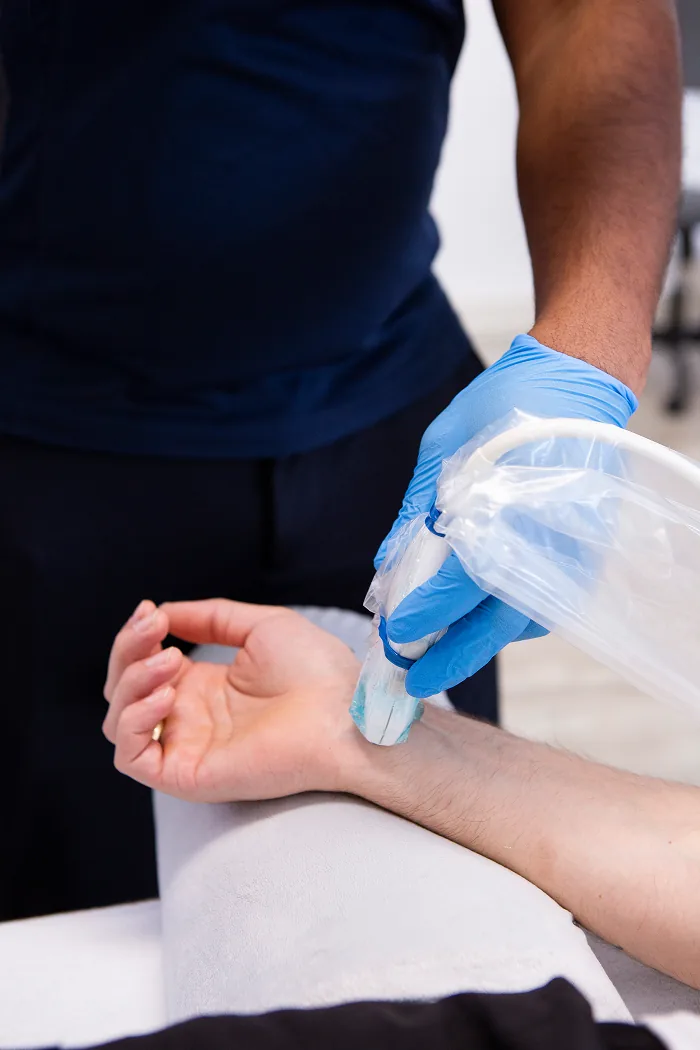
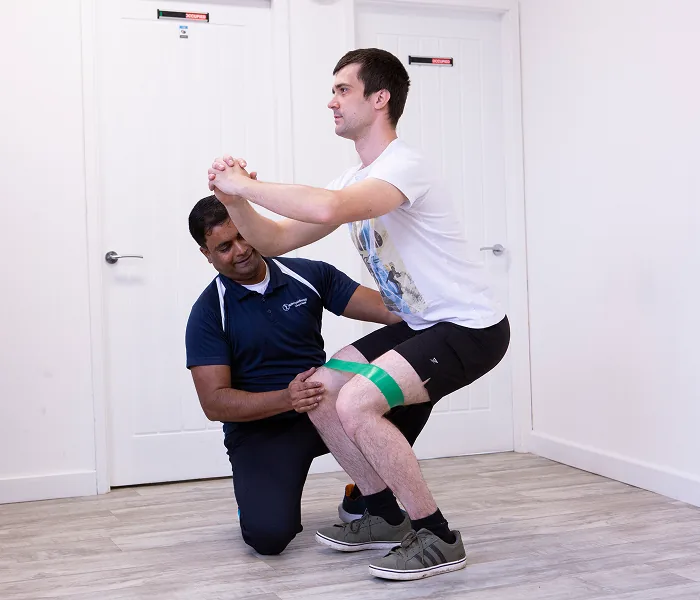
At Relive Physiotherapy in Chester, we help people manage inflammatory arthritis and joint inflammation, reduce pain, and stay active.
Show More


What Is Inflammatory Arthritis?
Inflammatory arthritis is a group of conditions where the immune system mistakenly attacks the joints, causing inflammation, pain and stiffness.
Common types include:

Rheumatoid arthritis
Psoriatic arthritis
Ankylosing spondylitis
Unlike osteoarthritis (which is caused by wear and tear), inflammatory arthritis can progress more quickly and requires early management.
Show More